
Craft CMS agency for better websites




Our awards




Results that count
Outstanding work for brands
Brands
From hidden champion to global player.
Ranking
1st place at the German Web Awards 2026.
Rating
Average rating from our clients.
Reviews
Customer reviews on ProvenExpert.
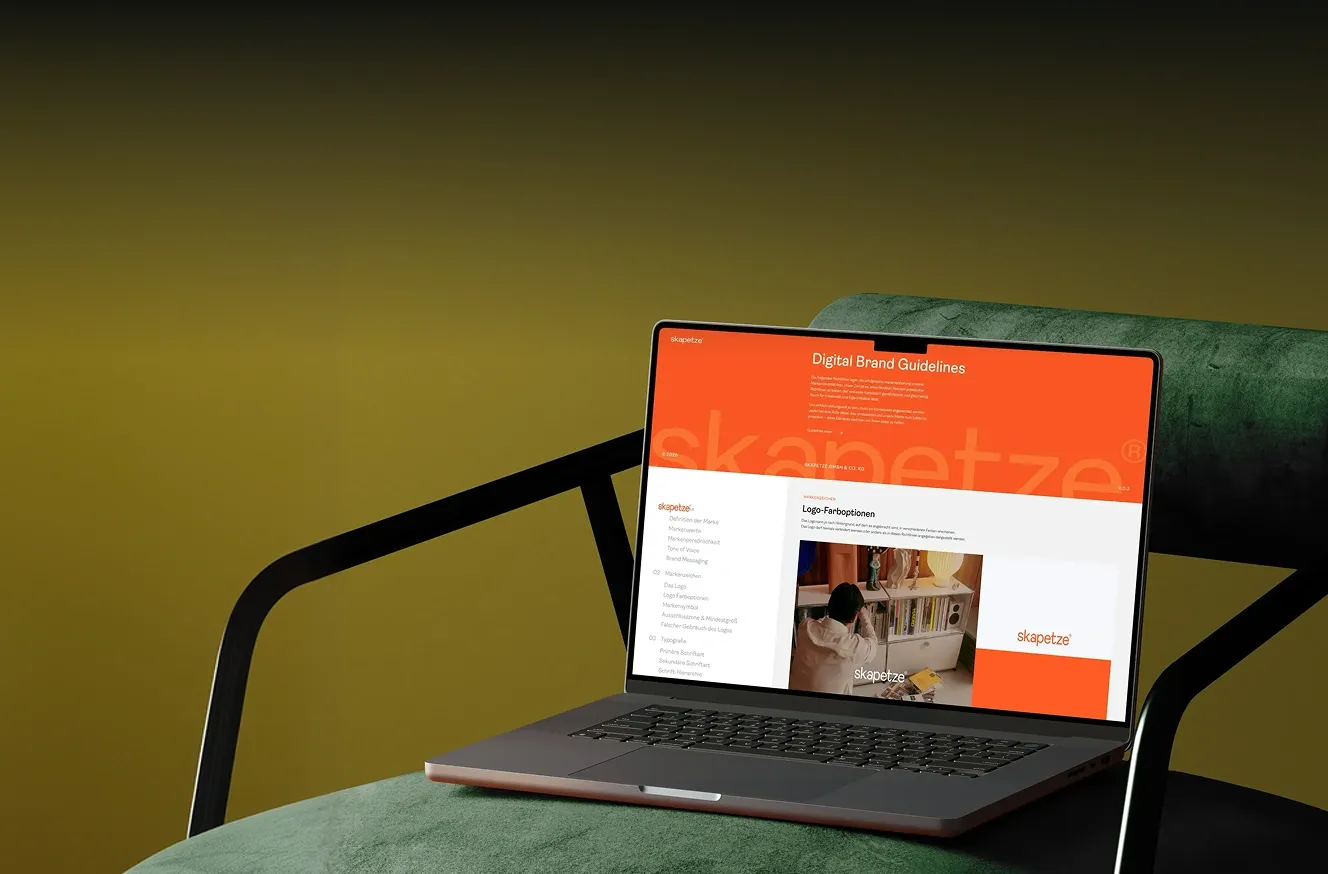
Matrix & entries
Assemble pages from defined content types. In Craft 5, Matrix uses nested entries that we model to fit your editorial team.

Live preview & drafts
Prepare changes as drafts and check them in the layout. Versions and preview help coordinate new content before publication.
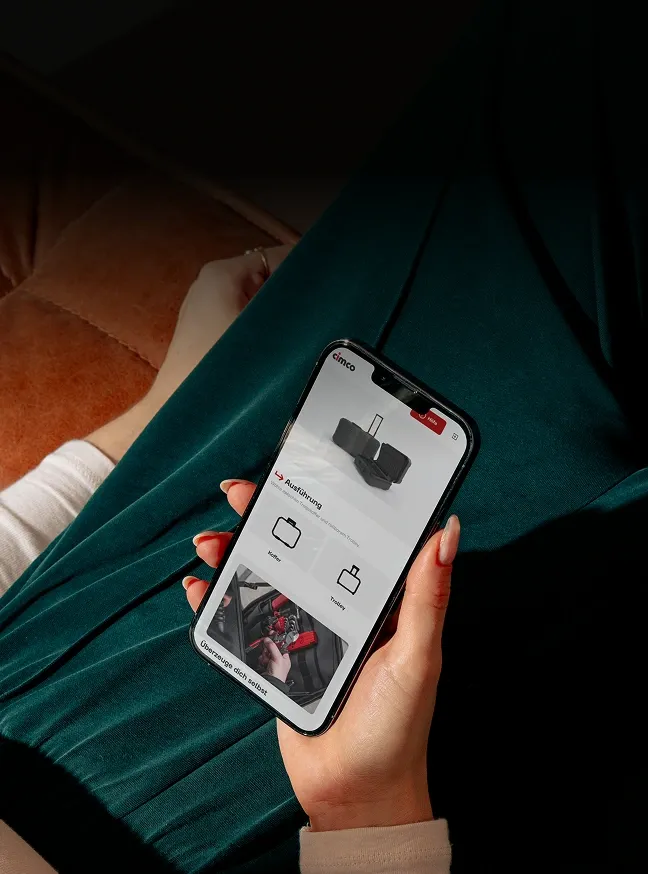
Multisite & languages
Maintain related presences in a single installation. Translation rules define which fields are shared and which are managed per language.

Twig or headless
Implement custom templates with Twig or deliver content via GraphQL to your own frontend. The architecture follows your use case.
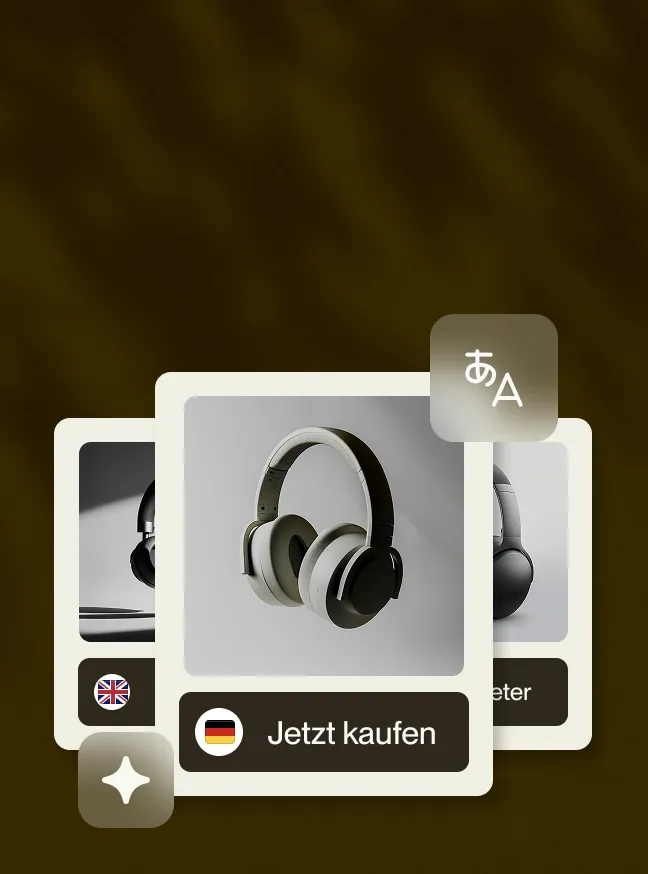
Assets & image formats
Store media in a structured way and define suitable image transformations. Formats, crops and alternative texts become part of the editorial concept.
Project Config
Transfer fields, content types and system settings in a controlled way. The configuration is versioned together with templates and modules.
Brand, design & development
Digital projects from our practice
Insights into our work for finance, healthcare, industry and hospitality. The projects show our design and user guidance across different technologies.
Radiology Advanced
Explain teleradiology in an understandable way and structure offerings clearly. Corporate presence, journal and academy create orientation for different target groups.
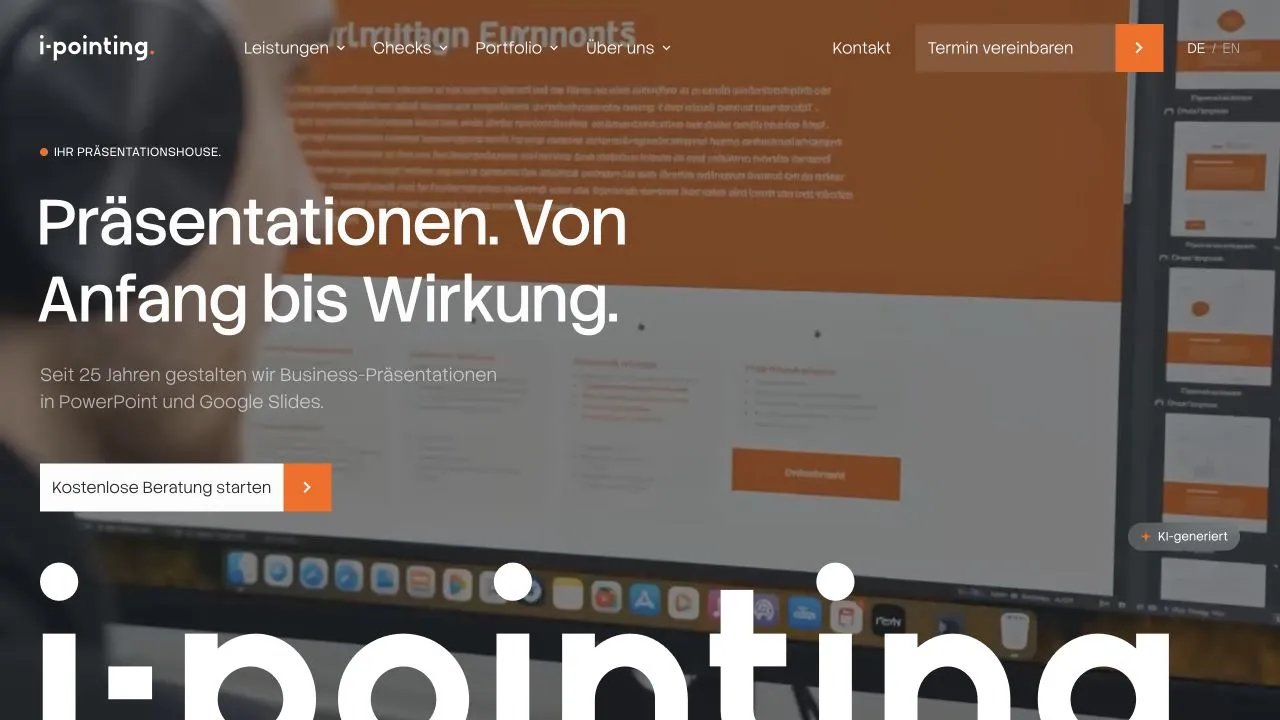
i-pointing
A presence for the presentation house from Munich. Services, portfolio and consulting topics combine into clear paths through the offering.
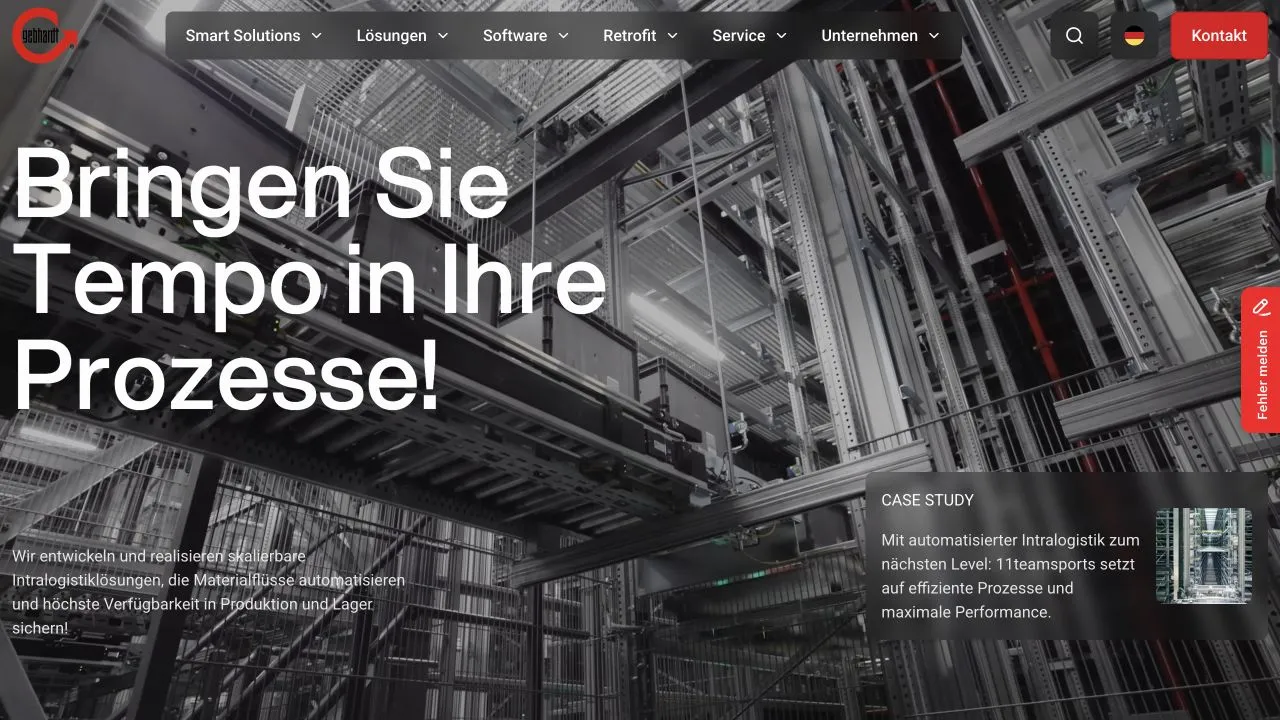
GEBHARDT
Explain intralogistics for different markets and industries. Products, solutions and references form interconnected entry points into complex topics.
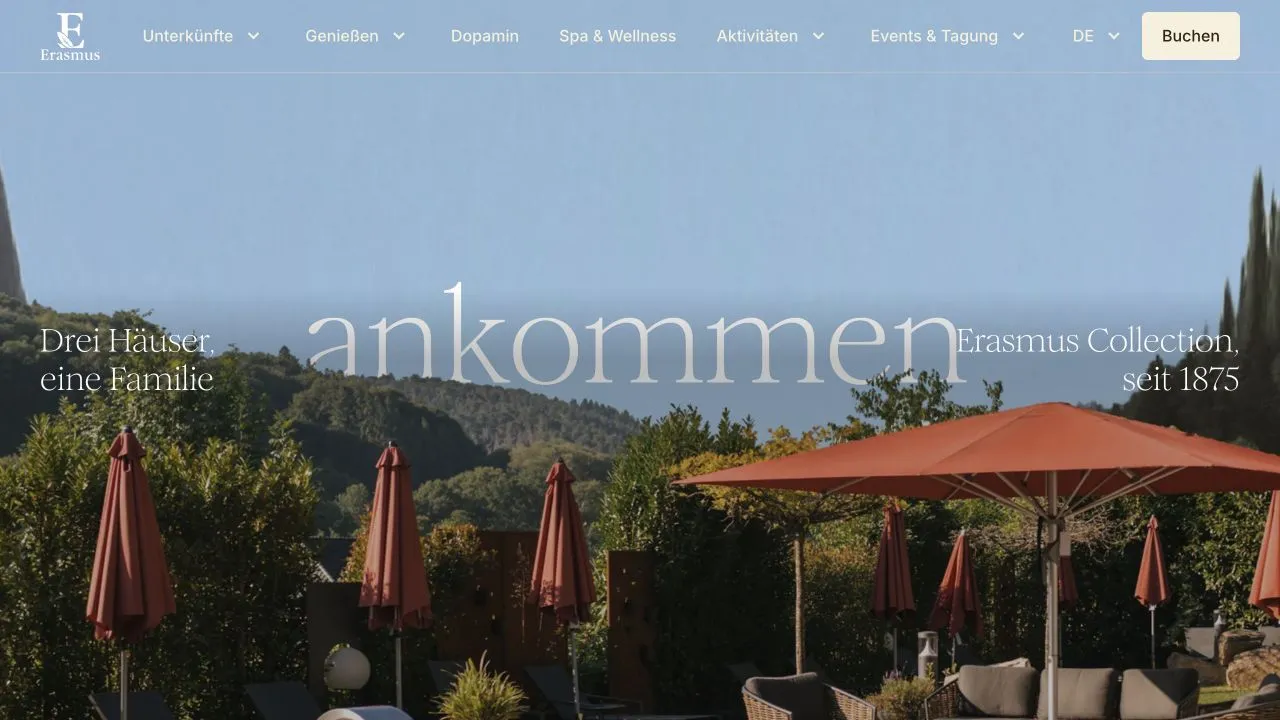
Hotel Erasmus
Three properties, wellness and cuisine in a shared world of experiences. Offers and inspiration guide guests from the first impression to the right stay.
More from our web design practice
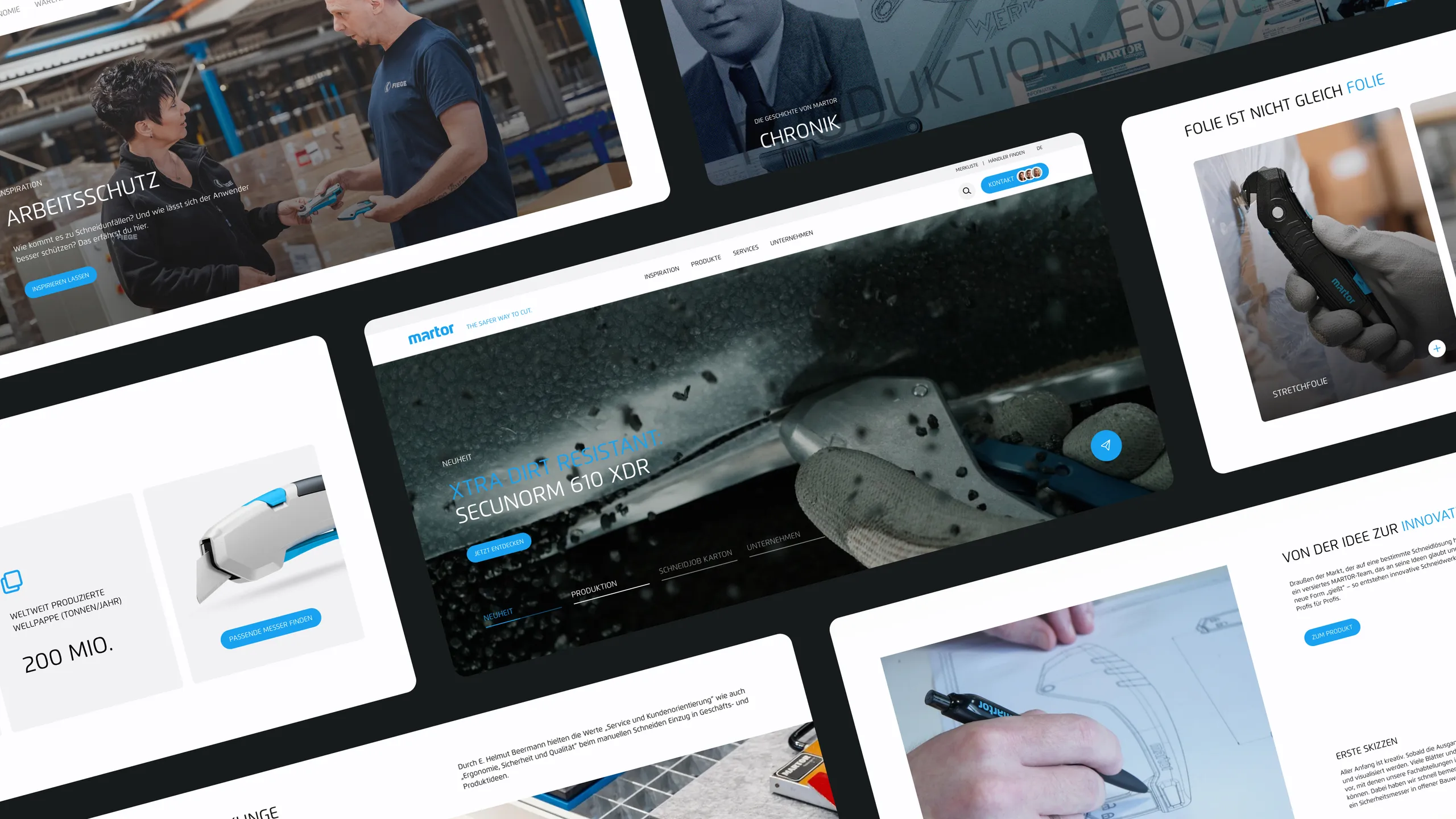
Craft CMS consulting
What should your platform with Craft CMS be able to do better?
Craft is a good fit if you want to combine a custom design with a tidy, tailored editorial system. For a product portal with separate applications we evaluate GraphQL; for a normal corporate presence we often start with Twig. We test real maintenance tasks, existing data and the most important user paths. A prototype makes the decision tangible.

Your team for Craft CMS
We combine Craft CMS, brand and user guidance into a presence that supports your editorial team and advances your goals.
Team
Strategy, design, development, and marketing under one roof in Wuppertal.
Experience
Over ten years of brands and websites for medium-sized businesses and corporations.
Awards
In seven independent award programs.
For many corporate websites, Craft with Twig is a direct solution: content, preview and output remain closely connected. We develop templates from your design system and choose suitable entry types for services, products and knowledge. The editorial team receives the fields and building blocks it actually needs. This creates design freedom without an arbitrarily nested page builder.
For many corporate websites, Craft with Twig is a direct solution: content, preview and output remain closely connected. We develop templates from your design system and choose suitable entry types for services, products and knowledge. The editorial team receives the fields and building blocks it actually needs. This creates design freedom without an arbitrarily nested page builder.

Via GraphQL, content can be used in a separate application. This makes sense when multiple outputs or independent frontend development are required. In that case, preview, draft access, caching, search and SEO must be set up deliberately. We compare this effort with a Twig solution before the architecture is finalized. Headless is an option, not a prerequisite for a fast Craft website.
Via GraphQL, content can be used in a separate application. This makes sense when multiple outputs or independent frontend development are required. In that case, preview, draft access, caching, search and SEO must be set up deliberately. We compare this effort with a Twig solution before the architecture is finalized. Headless is an option, not a prerequisite for a fast Craft website.
Craft can manage related brand or language presences in a single installation. Site groups, field translation and entry propagation determine what is shared. A German and an English market do not automatically need the same offerings. We test shared product information, local texts and approvals using real examples and check the required edition.
Craft can manage related brand or language presences in a single installation. Site groups, field translation and entry propagation determine what is shared. A German and an English market do not automatically need the same offerings. We test shared product information, local texts and approvals using real examples and check the required edition.
From maintenance to operation
Craft CMS features that matter in everyday work
Matrix & entries
Assemble pages from defined content types. In Craft 5, Matrix uses nested entries that we model to fit your editorial team.
Live preview & drafts
Prepare changes as a draft and check them in the layout. Versions and preview help coordinate new content before publication.
Multisite & languages
Manage related sites within a single installation. Translation rules define which fields are shared and which are maintained per language.
Twig or headless
Implement individual templates with Twig or deliver content via GraphQL to your own frontend. The architecture follows your use case.
Assets & image formats
Store media in a structured way and define appropriate image transformations. Formats, crops, and alternative texts become part of the editorial concept.
Project Config
Transfer fields, content types and system settings in a controlled way. The configuration is versioned together with templates and modules.
Craft CMS in practice
Design flexibly. Maintain clearly.
A good Craft project starts with the input form. We translate your content into entries, relations and Matrix blocks with unambiguous names. Your editorial team tests a real service page, a product and a knowledge article. Only then do we extend the model to the entire site.
AI can be added via selected plugins or custom interfaces. We define permitted data, result fields and specialist approvals. Features, costs and providers are evaluated separately from the Craft core.
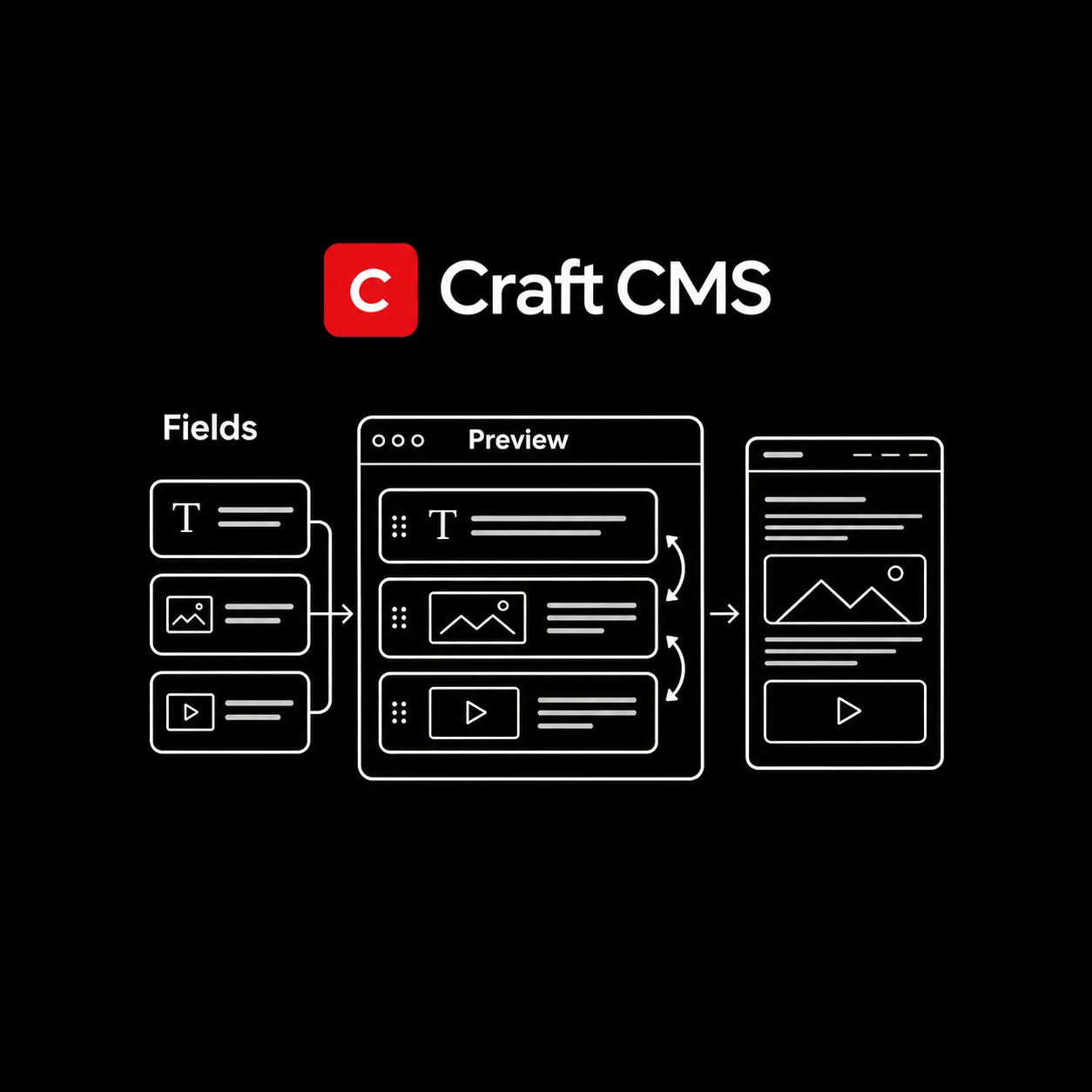
Every additional block increases design and maintenance effort. We define allowed combinations, required fields and clear previews. Recurring information is maintained as referenced entries. We use nesting where it helps from a content perspective; we do not build endless container structures in which editors lose their orientation.
Every additional block increases design and maintenance effort. We define allowed combinations, required fields and clear previews. Recurring information is maintained as referenced entries. We use nesting where it helps from a content perspective; we do not build endless container structures in which editors lose their orientation.

Project Config makes the schema and system settings traceable. Editorial content stays in the database and is not replaced by an old development state during deployment. We plan plugins, Craft version and database changes together. Before an update, we test preview, forms and key page types in a staging environment.
Project Config makes the schema and system settings traceable. Editorial content stays in the database and is not replaced by an old development state during deployment. We plan plugins, Craft version and database changes together. Before an update, we test preview, forms and key page types in a staging environment.

Draft translations or summaries can be supported via suitable extensions and interfaces. We treat AI as an additional integration and review providers, data transfer and approvals. The result is stored in appropriate fields and checked by editors. An external AI connection is not an automatic default feature of every Craft installation.
Draft translations or summaries can be supported via suitable extensions and interfaces. We treat AI as an additional integration and review providers, data transfer and approvals. The result is stored in appropriate fields and checked by editors. An external AI connection is not an automatic default feature of every Craft installation.

Our services for Craft CMS
From platform to outcome
A robust plan starts with your workflows.
We record key pages, target groups and tasks together with your team. Inquiries, conversions and maintenance effort are considered separately. From this we derive priorities that you can use to assess the success of the project.
Craft is a good fit if you want to combine a custom design with a tidy, tailor-made editorial system. For a product portal with separate applications we evaluate GraphQL; for a standard corporate site we often start with Twig.
Sections, entry types, fields and relations map your business content. Matrix adds flexible page segments. Product characteristics and contacts are maintained separately from individual pages if they are to be reused.
For many corporate websites, Craft with Twig is a direct solution: content, preview and output stay closely connected. We develop templates from your design system and select suitable entry types for services, products and knowledge. The editorial team gets the fields and blocks it actually needs. This creates design freedom without an arbitrarily nested page builder.
Scope is determined by the content model, custom templates, languages, modules, data migration and optional Commerce features. On top of that come the required licenses, hosting and support. We separate one-off implementation from ongoing effort and compare the planned evolution over several years.
We define who prepares content, reviews it professionally and publishes it. A test with a real page shows which permissions and guidance are needed. New workflows are tested together with your editorial team.
Your brand becomes an operable system.
We guide you from the concrete question to the right offer. Navigation, search, and contact paths are aligned with your target audiences. Prototypes make these paths verifiable before development.
Colors, typography, components, and states are designed together. Your editorial team receives reusable elements with clear degrees of freedom. This way, new pages remain part of the same brand.
Via GraphQL, content can be used in a separate application. This is useful when multiple outputs or independent frontend development are required. In that case, preview, draft access, caching, search, and SEO must be set up deliberately. We compare this effort with a Twig-based solution before the architecture is finalized. Headless is an option, not a requirement for a fast Craft website.
We review menus, forms, content order, and media on small screens. Touch targets, legible type, and short paths are part of the concept. The mobile version is approved with real content.
Keyboard operation, focus, contrast, labels, and understandable error messages are checked at component level. The editorial team also receives rules for headings, links, and alternative texts.
Live Preview is set up for the actual page types. Drafts and published content get clear, traceable paths. In headless mode, we explicitly plan draft access and the connection to the frontend.
Structuring content so that people can find answers.
We assign search queries to your services and products. Every important page gets its own task, suitable evidence, and a next step. Similar terms do not automatically lead to several almost identical pages.
Metadata, canonicals, structured data, and sitemaps are implemented in templates or an appropriate extension. With GraphQL output, the frontend takes over this task. Redirects, language links, and indexability are checked after the relaunch.
Sites, site groups, and translation rules are planned together. A field can be maintained globally, per language, or per site. Which content will be created in additional sites is defined deliberately and reviewed with local editors.
Texts, images, and videos are created from your actual offering. We clarify statements, responsibilities, and approvals early. Content is prepared based on real page formats and checked in the CMS.
Services, technical terms, use cases, and sources are explained in a traceable way. For AI search, the same statements need accessible pages and solid evidence. Mentions and cited sources can be monitored; a recommendation by an AI system is not guaranteed.
We define events along the request or purchase journey. Analysis and consent are aligned with your setup. What matters are actionable contacts and conversions, supplemented by usage and editorial effort.
Data should be maintained in the right place.
GraphQL provides content for separate applications. For specific data flows, modules or suitable plugins can be added. Access rights, updates, and error handling are defined based on the primary data source.
We plan required fields, validation, responsibilities, and the transfer into the CRM. A successful submission must arrive in the target system. Error cases and user feedback are co-tested.
Craft Commerce can add products, cart, and orders. We compare its requirements and license costs with connecting an existing shop system. Product data, payments, and shipping require their own, verified processes.
Search, filters, and sorting start from users’ tasks. We test typical terms, synonyms, and empty result lists. Updates and access rights are part of the concept for a connected search solution.
AI can be integrated via selected extensions or custom interfaces. We define permitted data, result fields, and professional approvals. Features, costs, and providers are evaluated separately from the Craft core.
For each connection, responsibilities, updates, and error handling are defined. Logs and notifications help detect interrupted transfers. Retries must not create duplicate records or orders.
The transition is part of the project.
Before import, we map old pages, media, and relationships to the new sections and fields. A trial import checks translations, file references, and matrix structures. During the switchover, new content is brought over and existing URLs are redirected cleanly.
We assign existing URLs to specific new targets. Important content remains accessible; unnecessary redirect chains are avoided. After the switch, we review status codes, canonicals, internal links, and sitemap.
We test editorial tasks, responsive display, search, and forms with real content. Central integrations are tested, including error cases. Before go-live, responsibilities, acceptance criteria, and a rollback plan are defined.
Your team works on its own content during training. Field help, short guides, and responsibilities remain available after launch. New components are planned as further development.
Craft, plugins, PHP, and infrastructure are maintained together. Changes are deployed via Project Config and a tested deployment process. Database, assets, and configuration require suitable backups and a proven restoration path.
After launch, we prioritize based on agreed metrics and your feedback. New features get a clear goal and verifiable acceptance. This keeps the platform connected to your business.
Additional services
More impact for your digital presence


Brand strategy

Brand identity

Brand rollout

Brand Growth
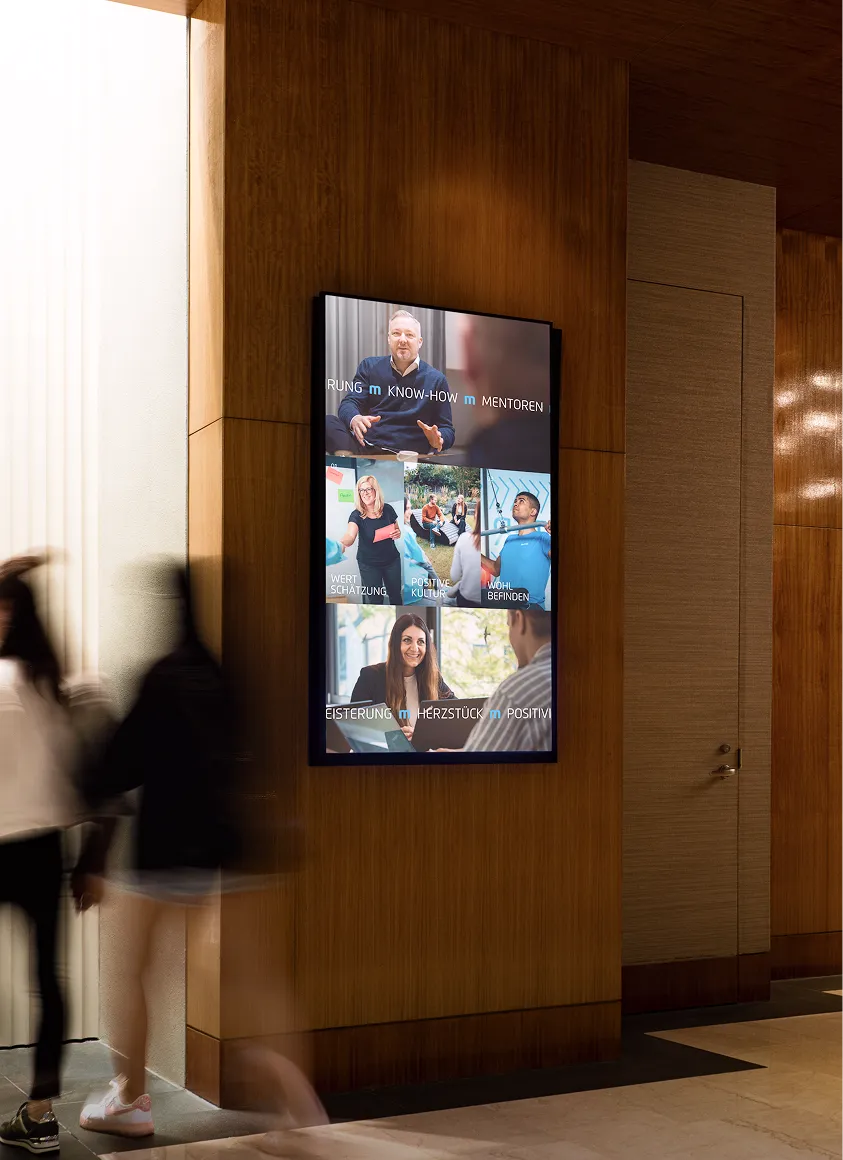
Employer Branding
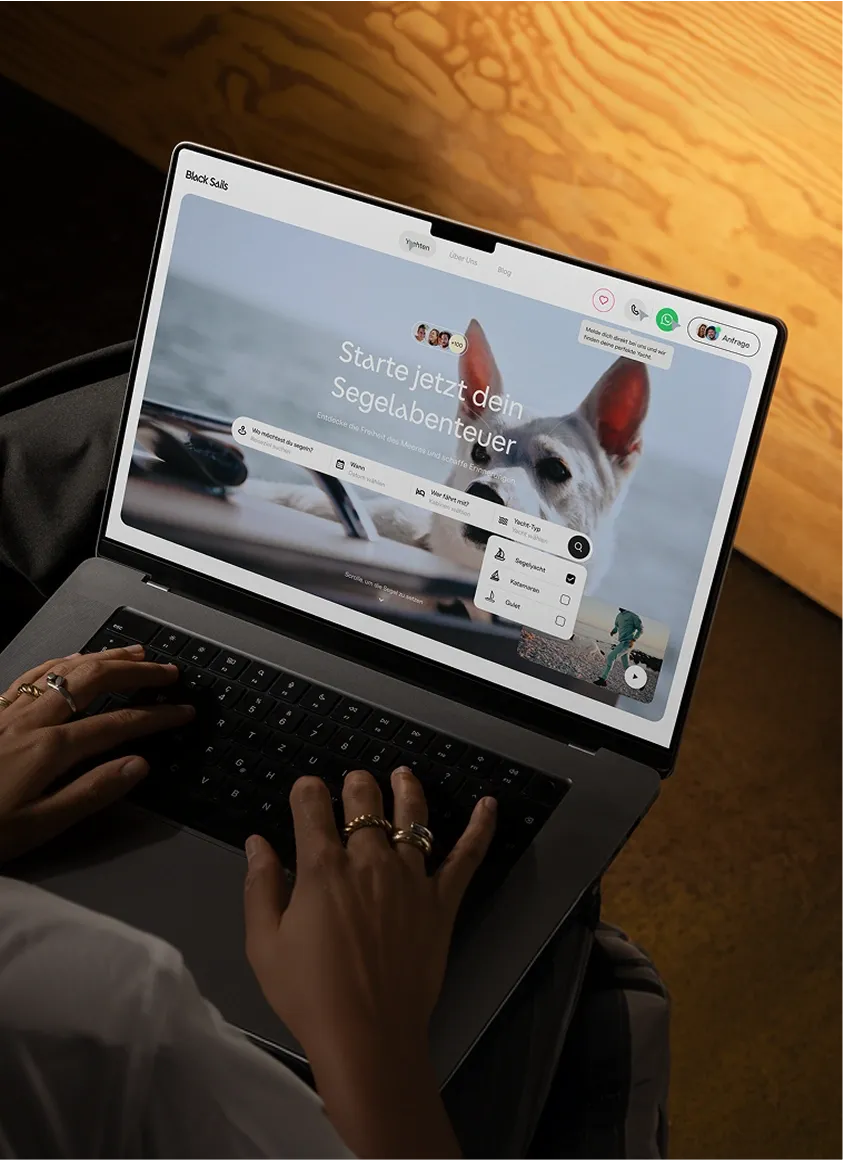
UX, UI & Design

E-Commerce
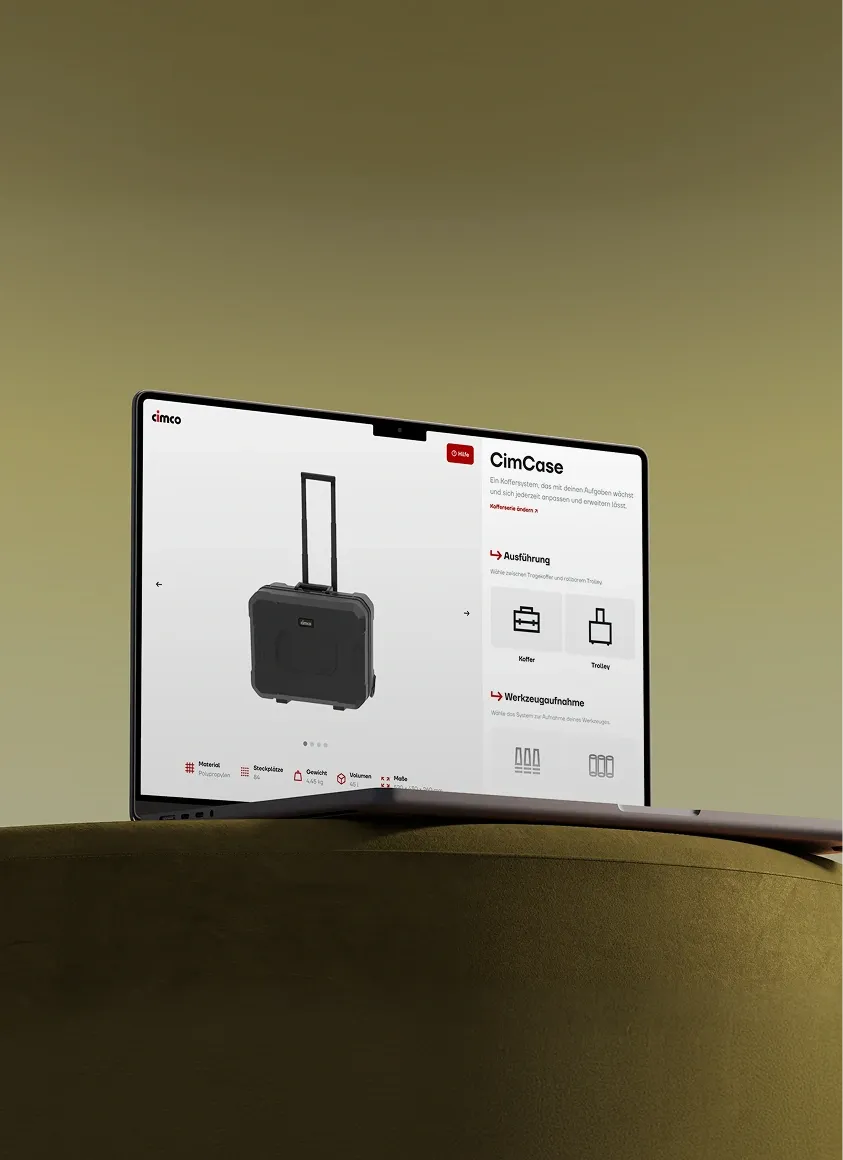
Platforms
APIs & Automation
Content Creation
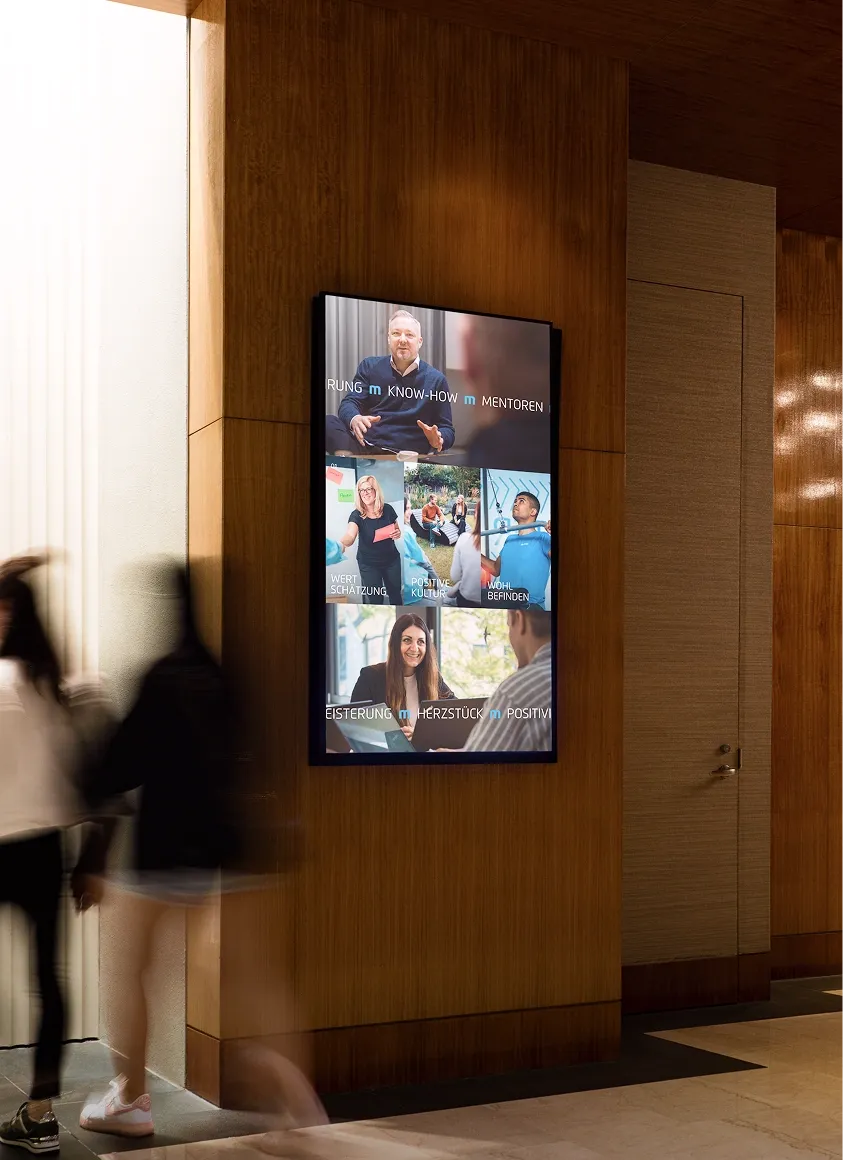
Motion Design
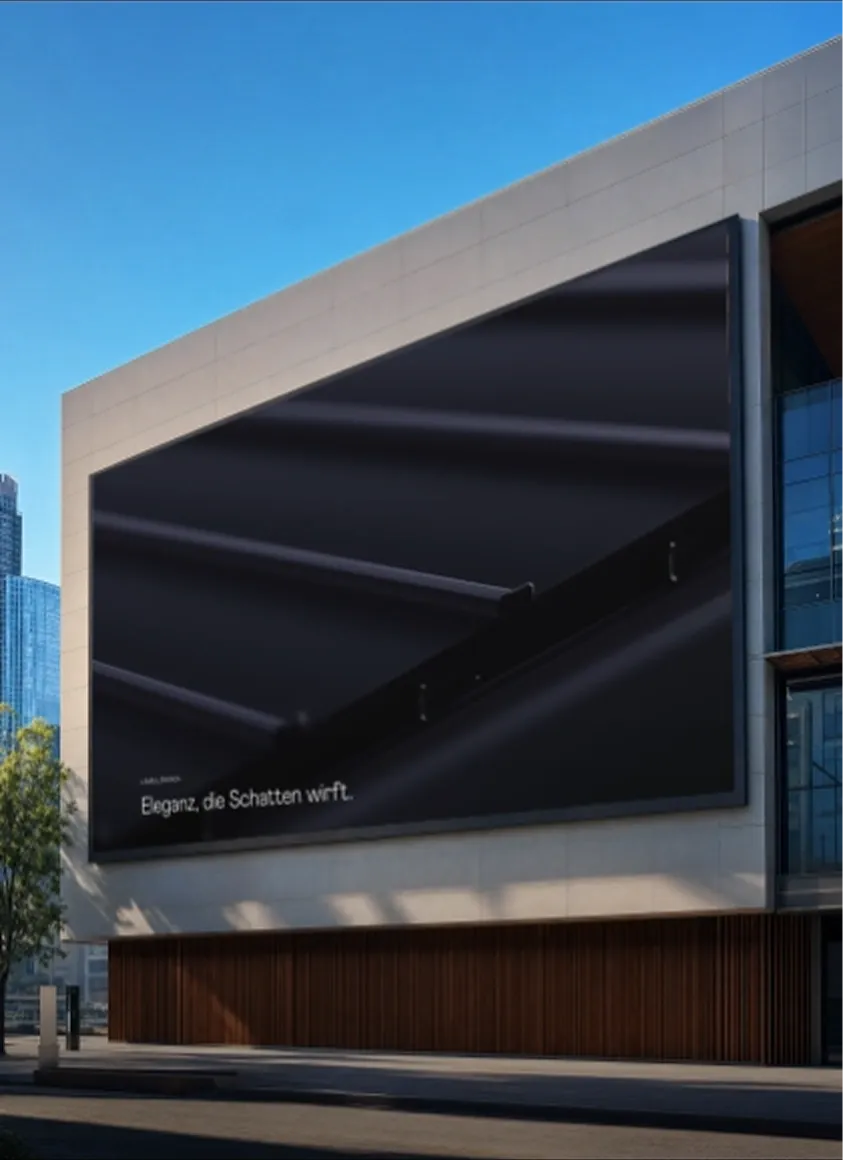
3D & CGI

Photography
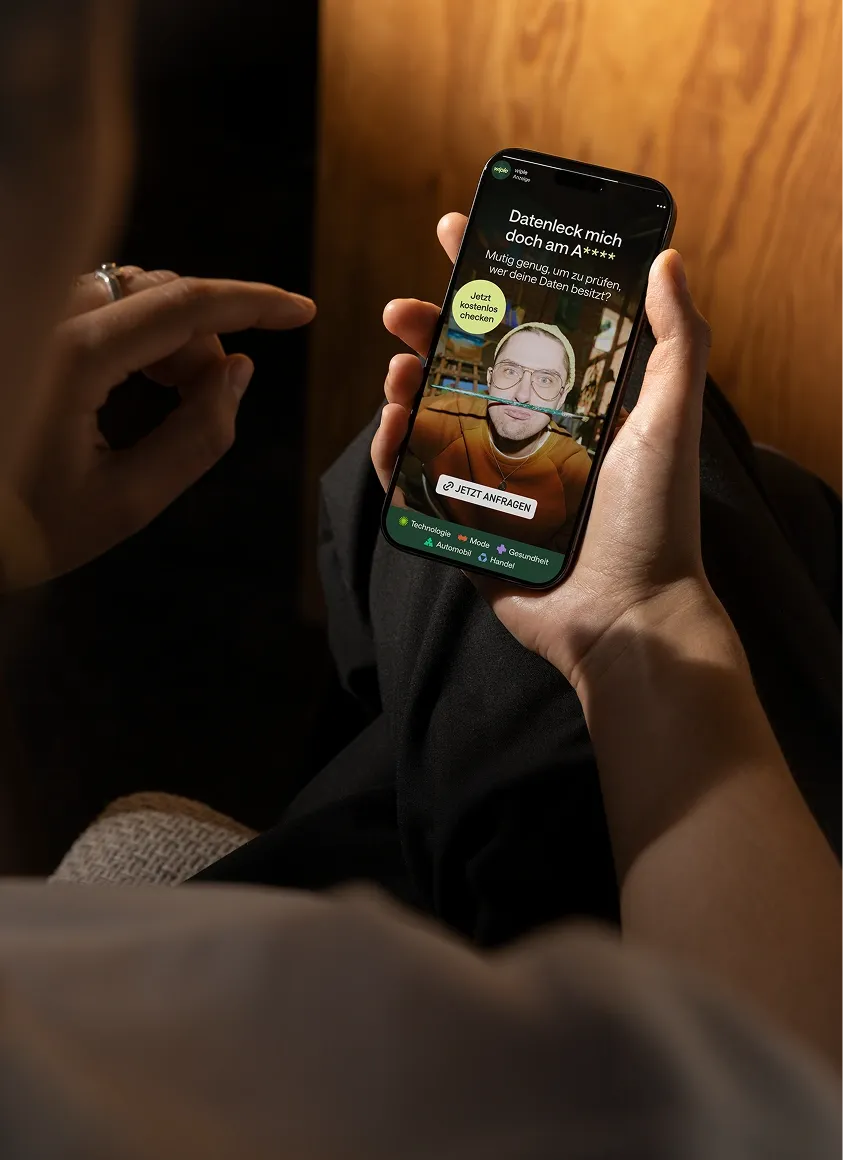
Digital Marketing

Ad Creatives
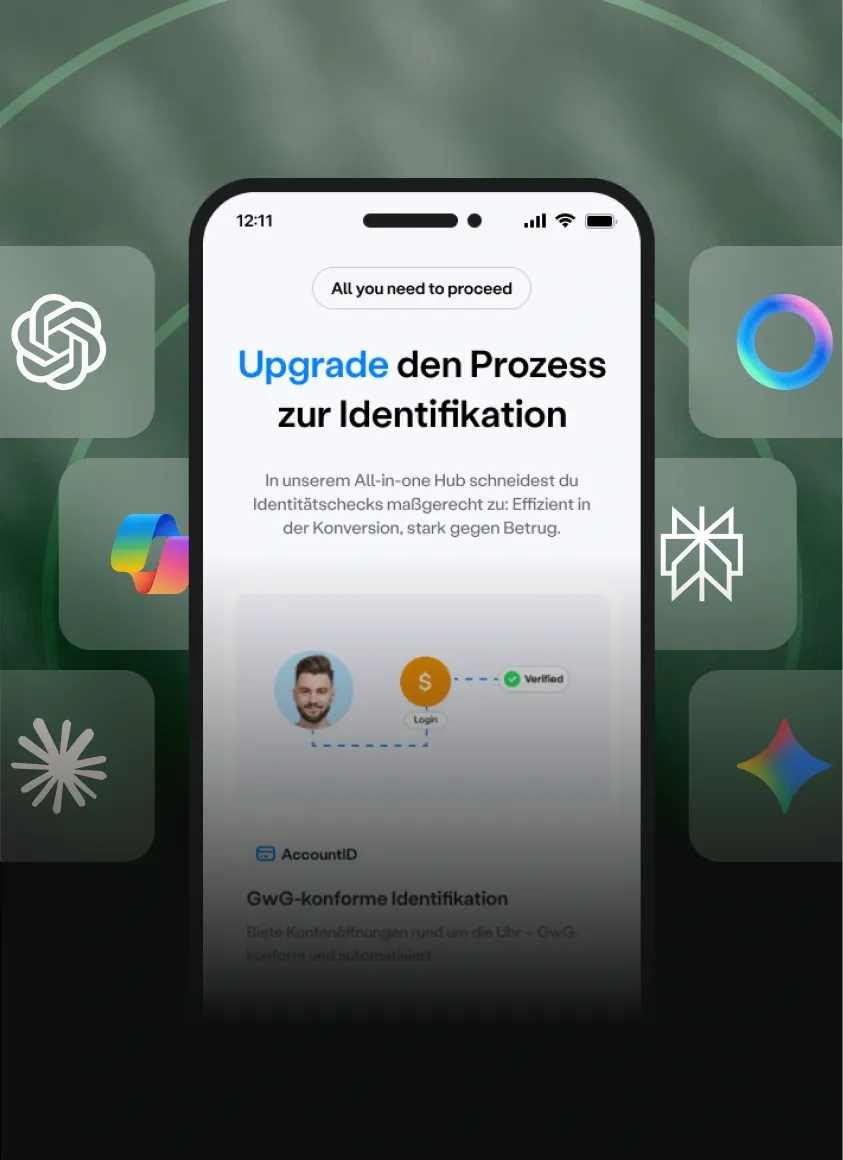
GEO
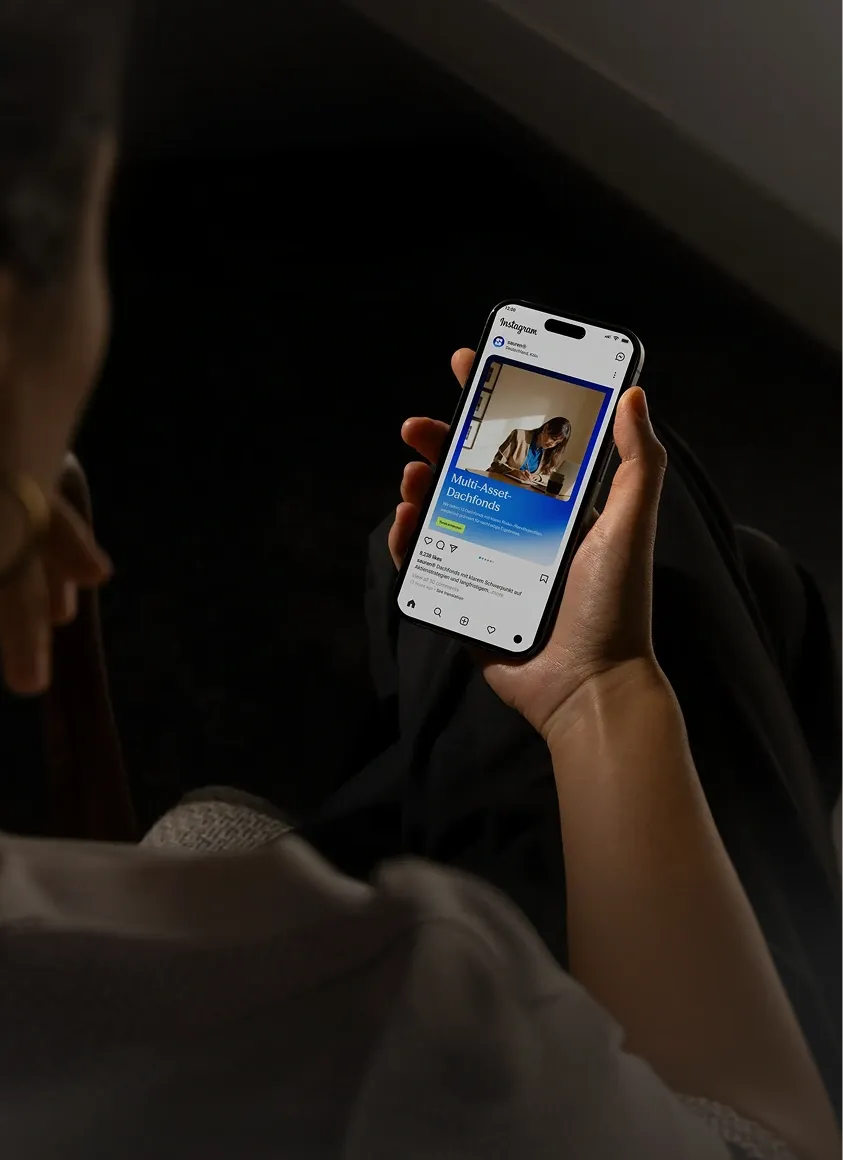
Social Ads

Copywriting
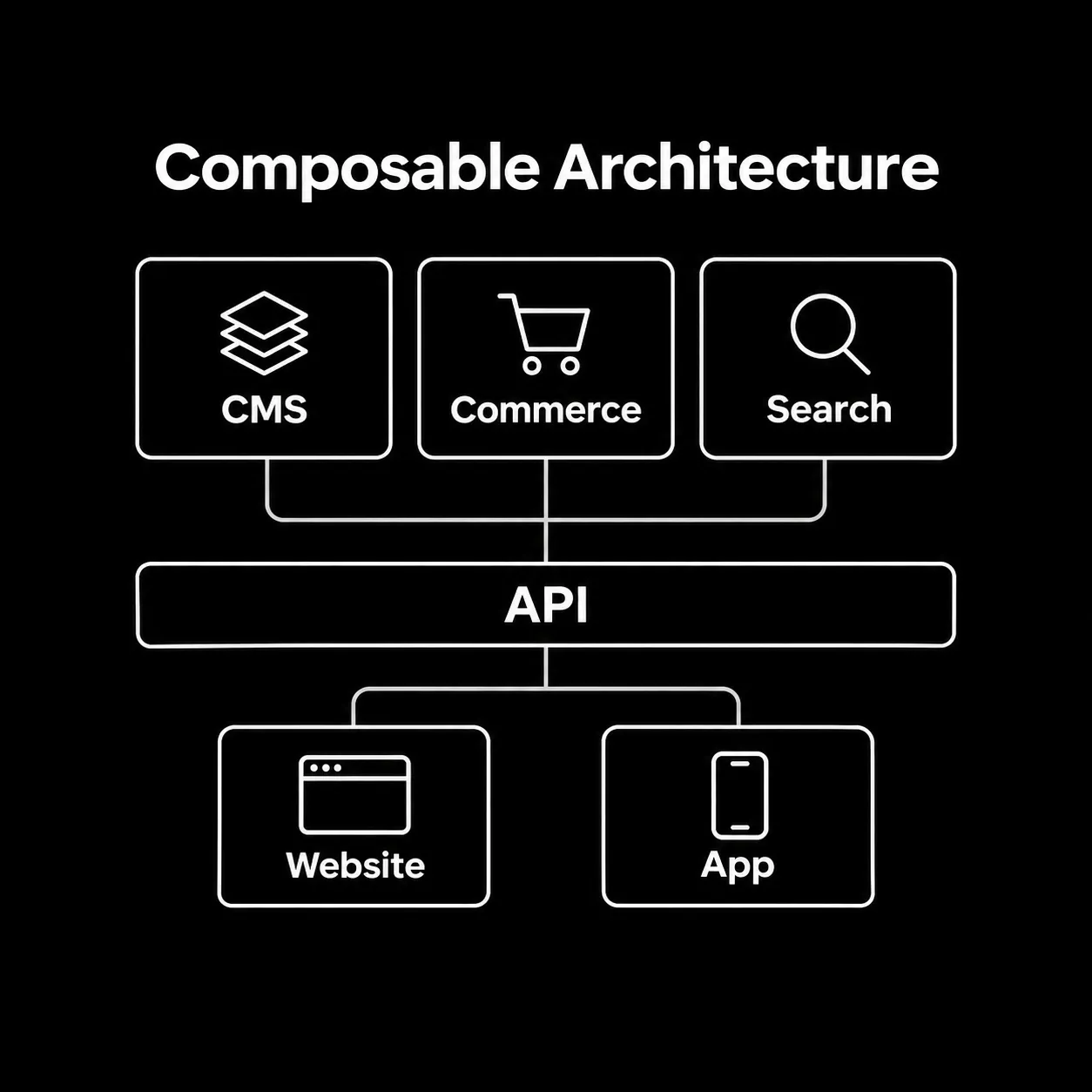
Architecture & data
Craft CMS interacting with your systems
A Digital Experience Platform emerges from suitable building blocks and clear data responsibility. We only add what supports your user journeys and processes.
Craft CMS
Sections, entry types, fields and relations reflect your specialist content. Matrix adds flexible page sections. Product features and contacts are managed separately from individual pages when they are meant to be reused.
Presentation & editing
Live Preview is set up for the actual page types. Drafts and published content get traceable paths. In headless operation, we explicitly plan access to drafts and the connection to the frontend.
Data & interfaces
GraphQL provides content for separate applications. For specific data flows, modules or suitable plugins can be added. Access rights, updates and error handling are defined based on the leading data source.
Offers & transactions
Craft Commerce can add products, cart and orders. We compare its requirements and license costs with integrating an existing shop system. Product data, payments and shipping require their own, verified processes.
Languages & markets
Sites, site groups and translation rules are planned together. A field can be managed globally, per language or per site. Which content will be created in additional sites is deliberately defined and reviewed with local editors.
Operation & further development
Craft, plugins, PHP and infrastructure are managed together. Changes are transferred using Project Config and a tested deployment. Database, assets and configuration need suitable backups and a proven restoration path.
»Wir waren mit der Agentur Pechschwarz sehr zufrieden. Wir sind sicher, mit dieser langfristig einen guten E-Commerce- & Shop-Berater an unserer Seite zu haben. Eine starke Full-Service Agentur die tatsächlich alle Bereiche gut abdeckt, sowie durch Kreativität, persönliche Erreichbarkeit und ein gutes Preis-Leistungs-Verhältnis überzeugt.«



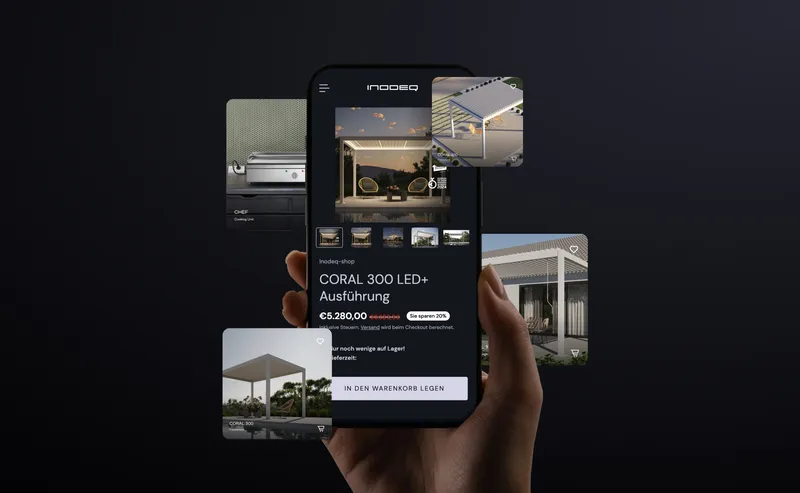

Ready for more?




Ready for more?
pechschwarz®
Brand, design and technology. One unified team.
A platform alone does not solve a task. We connect brand strategy, user guidance, content and development – with fixed points of contact and clear decisions in every phase.
For your Craft CMS project, we combine strategy and design with a transparent implementation. You evaluate real content models, prototypes and user journeys. Editorial handover, interfaces and ongoing support are planned together.
Typical applications
Craft CMS for your requirements
Craft is suitable for presences where design and editorial structure should closely match.
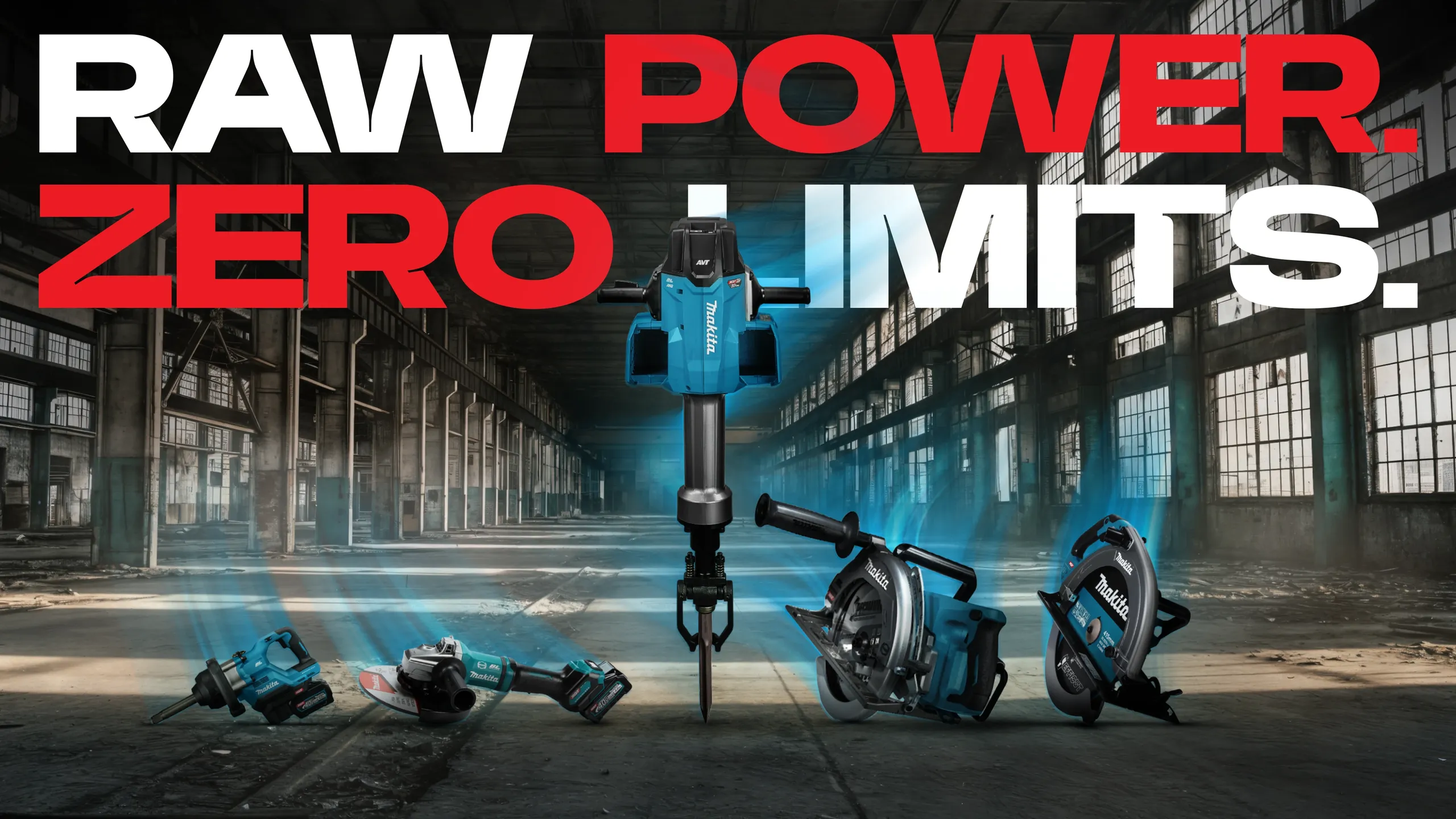
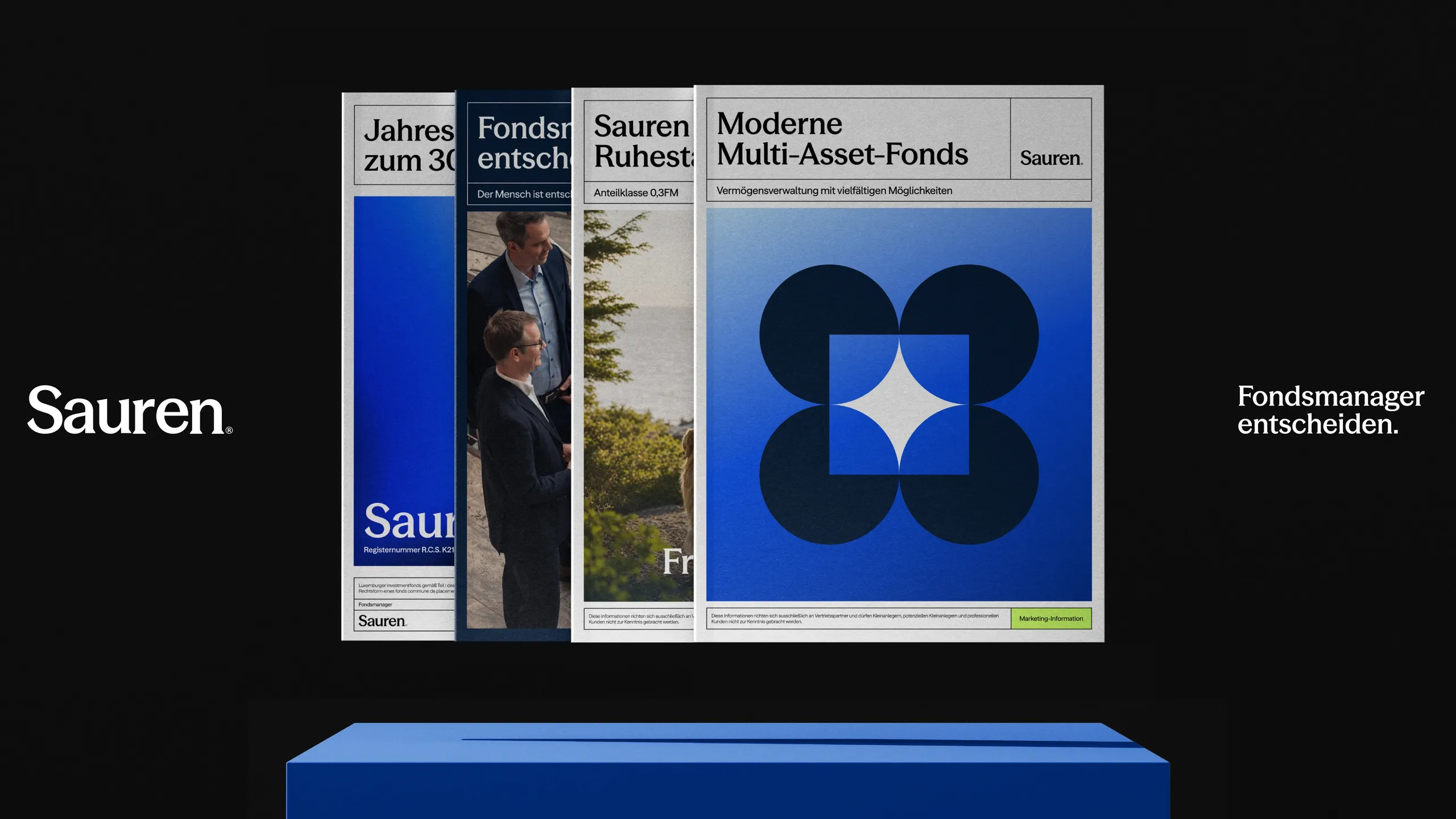
Which solution fits?
Custom content. Clear editing.
Which solution fits?
Custom content. Clear editing.
Craft CMS with pechschwarz®
Content, design and operations are developed together.
Implementation without a shared plan
Unclear rules increase the effort needed to maintain and extend the platform.
Our process
How your Craft CMS project comes to life
From the first workshop to launch: a dedicated team, clear decisions and shared goals. You know what will be created next.
Goals & existing setup
We review target groups, existing content and your day-to-day content maintenance. Craft is a good fit if you want to combine a custom design with a tidy, tailor-made editorial system. For a product portal with separate applications we evaluate GraphQL; for a normal corporate presence we often start with Twig.
Concept & architecture
For many corporate websites, Craft with Twig is a direct solution: content, preview and output remain closely connected. We develop templates from your design system and choose suitable entry types for services, products and knowledge. The editorial team gets the fields and components it actually needs. This creates design freedom without an arbitrarily nested page builder.
Design & editorial
We design real pages, content and interactions. Your team tests content maintenance before the system is expanded to additional page types.
Implementation & transition
Before import, we assign old pages, media and relationships to the new sections and fields. A test import checks translations, file references and Matrix structures. During the switch, new content is brought over and existing URLs are cleanly redirected.
Launch & further development
Acceptance, training and transition interlock. After the launch we prioritize improvements based on your goals and feedback.
Craft CMS: individual, without unnecessary detours
Craft is a good fit if you want to combine a custom design with a tidy, tailor-made editorial system. For a product portal with separate applications, we evaluate GraphQL; for a normal corporate website, we often start with Twig.
The most important question is not the number of available plugins. What matters is whether content types, preview and templates reflect your daily tasks. A small prototype shows early on whether the team can create new pages independently and where targeted development is still needed.
Planning content, data and approvals together
Sections, entry types, fields and relationships model your business content. Matrix adds flexible page sections. Product attributes and contacts are maintained separately from individual pages when they are meant to be reused.
GraphQL provides content for separate applications. For specific data flows, modules or suitable plugins can be added. Access rights, updates and error handling are defined based on the leading data source.
Ongoing operations are part of the decision
Craft, plugins, PHP and infrastructure are maintained together. Changes are deployed using Project Config and a tested deployment process. Database, assets and configuration require appropriate backups and a proven recovery path.
The scope is defined by the content model, custom templates, languages, modules, data migration and optional Commerce features. In addition, required licenses, hosting and ongoing support are included. We separate one‑time implementation from ongoing effort and compare the planned growth over several years.
Insights for your digital platform
Use the arrow keys to browse. Home shows the beginning, End the last posts. Use Tab to select post links.



FAQ
Questions about your Craft CMS project
Craft provides a flexible CMS. Templates and content model are set up individually. Your editorial team then works with the prepared fields and building blocks.
Matrix manages nested entries. This makes it possible to model content sections or galleries, for example. We limit the options so that new pages remain understandable and consistent.
Yes. Sites and translation rules support related multilingual websites. Editions, shared content and local responsibilities are coordinated in advance.
No. Custom Twig templates are suitable for many websites. A GraphQL architecture is worthwhile when additional outputs or special frontend requirements justify the extra effort.
Craft Commerce can add a shop. We check whether it fits economically and functionally based on product range, payments, shipping, merchandise management and required extensions.
The scope is defined by the content model, custom templates, languages, modules, data migration and optional Commerce features. In addition, required licenses, hosting and ongoing support are included. We separate one‑time implementation from ongoing effort and compare the planned growth over several years.
Before import, we assign old pages, media and relationships to the new sections and fields. A test import checks translations, file references and Matrix structures. During the switch, new content is synchronized and existing URLs are cleanly redirected.
Craft, plugins, PHP and infrastructure are maintained together. Changes are deployed using Project Config and a tested deployment process. Database, assets and configuration require appropriate backups and a proven recovery path.
Let’s achieve more with Craft CMS.